
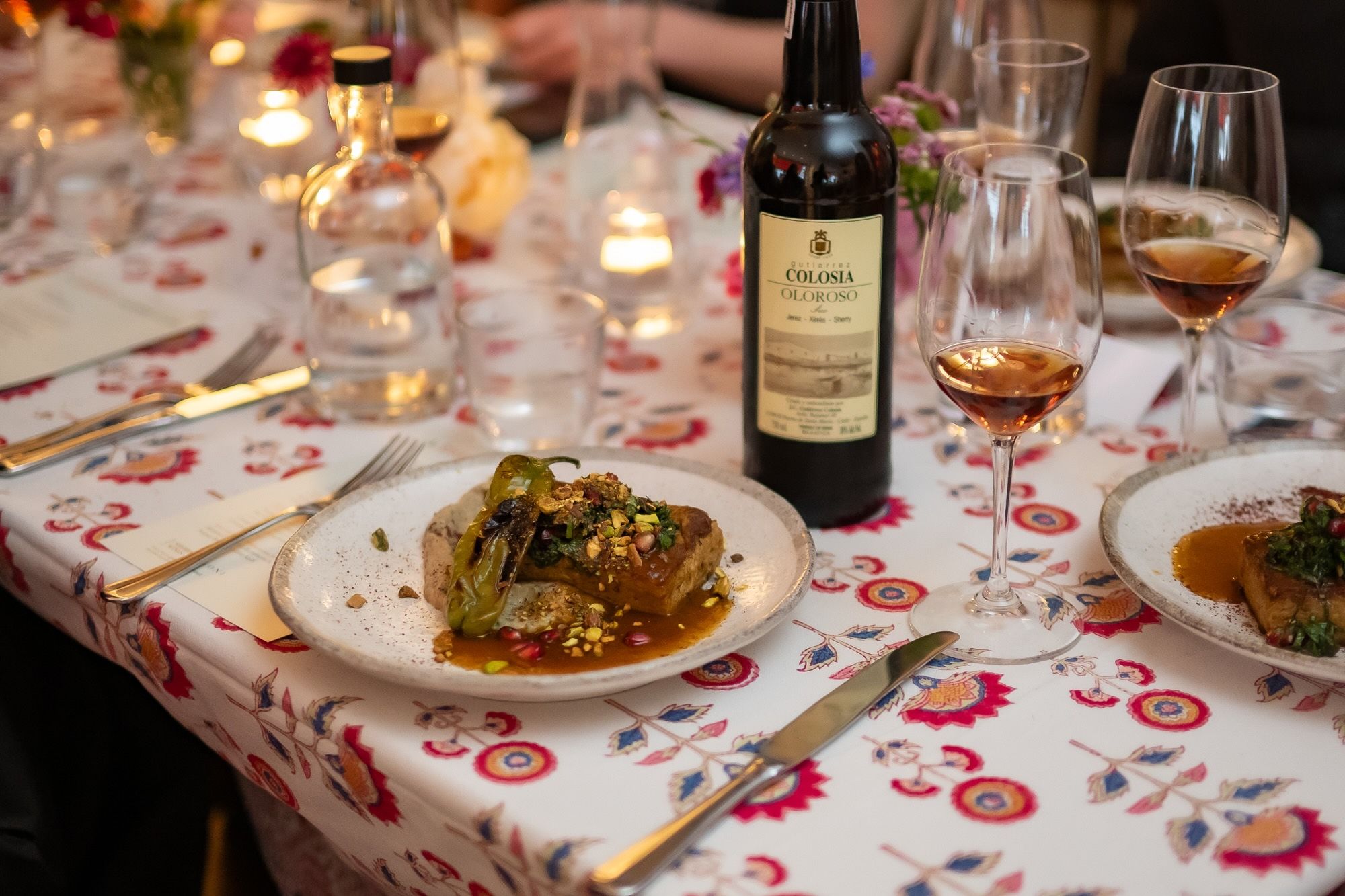
Hospitality Professionals Track Changes via Food & Wine Classic Insights
The Food & Wine Classic in Aspen is an annual event that draws culinary enthusiasts, industry professionals, and hospitality experts from around the globe. It serves not only as a celebration of gastronomy and fine wine but also as a barometer for emerging trends within the hospitality industry. Each year, insights gathered from this prestigious event help hospitality professionals track changes and adapt to evolving consumer preferences.
At its core, the Food & Wine Classic offers a unique platform for chefs, sommeliers, restaurateurs, and hoteliers to exchange ideas and showcase innovations. Attendees are treated to seminars led by renowned chefs and wine experts who share their expertise on various subjects ranging from sustainable sourcing to cutting-edge cooking techniques. These sessions provide invaluable knowledge that helps shape future strategies within the industry.
One of the key takeaways from recent editions of the Food & Wine Classic insights has been an increased focus on sustainability. As consumers become more environmentally conscious, there is a growing demand for transparency in sourcing ingredients and reducing waste. Hospitality professionals attending the event have noted a shift towards plant-based menus and locally sourced produce as part of this trend. By observing these changes at such gatherings, they are better equipped to implement eco-friendly practices in their own establishments.
Moreover, technology continues to play an increasingly significant role in shaping guest experiences within the hospitality sector. The integration of digital tools—from reservation systems to personalized marketing—has become essential for staying competitive. Insights gained at events like the Food & Wine Classic highlight how technology can enhance service efficiency while offering guests tailored experiences that meet their expectations.
Another prominent theme observed at recent classics is diversity and inclusion within culinary spaces. There is a concerted effort among industry leaders to promote diverse voices and support underrepresented groups in kitchens worldwide. By participating in discussions around these topics during seminars or networking sessions at events like this one, hospitality professionals gain perspectives that encourage inclusivity within their own operations.
Furthermore, wellness-oriented offerings have emerged as another area gaining traction among consumers seeking healthier dining options without compromising flavor or quality—a trend reflected through workshops focused on nutrition-conscious cuisine presented during past editions of this esteemed gathering.
In conclusion: For those immersed deeply into any facet related directly or indirectly with foodservice management (be it operational logistics behind-the-scenes work), attending high-caliber conferences such as Aspen’s iconic festival proves indispensable when striving toward maintaining relevance amidst ever-evolving market dynamics; ultimately ensuring continued success across all levels throughout today’s fast-paced globalized economy where adaptability remains paramount above all else!